
March 11, 2026By Digital Ullu
Types vs Interfaces in Typescript
TL;DR;
The main concept interfaces offer over types is declaration merging. On the other side, types can do a lot more than interfaces (mapped types, conditional types, etc)
Both can define object structure and in simple case both work identically
interface User {
	name: string;
	age: number;
}

type User = {
	name: string;
	age: number;
}
The major differences are —
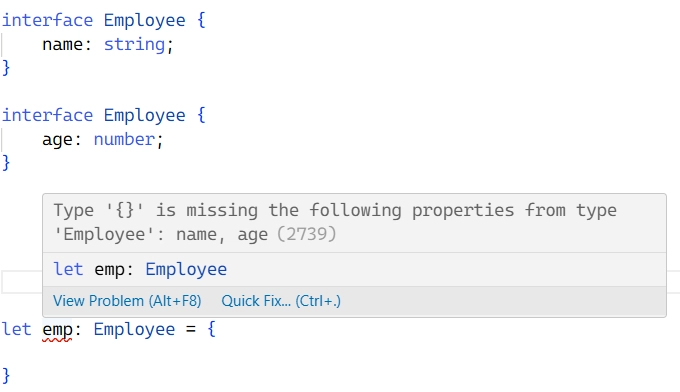
Interfaces have Declaration Merging
interface Employee {
	name: string;
}

interface Employee {
	age: number;
}

// Result will be
interface Employee {
	name: string;
	age: number;
}
This same will not work with type
type Employee = { name: string };
type Employee = { age: number }; // ERROR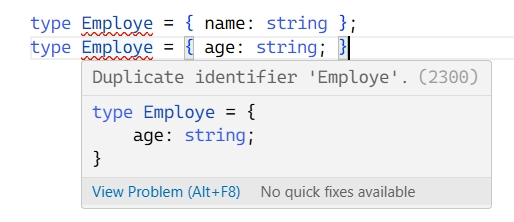
Types can represent more than objects
type can define many more kinds of types.
Primitive
type Name = string;
Union
type Status = "success" | "error";
Tuple
type Data = [number, string];
Intersection
type A = { a: number };
type B = { b: string };

type C = A & B;
Interfaces cannot do these.
Extending Types
- Interface (inheritance) – we can extend interfaces like below:-
interface A {
	a: number;
}

interface B extends A {
	b: string;
}
- Type (intersection) – type can be intersect like below:-
type A = { a: number };
type B = A & { b: string };
Both work, but syntax differs.
Classes Implementing
Classes can implement both
interface Employee {
	name: string;
}

class Admin implements Employee {
	name = "Sagar"
}
type Employee = {
	name: string;
}

class Admin implements Employee {
	name = "Sagar"
}
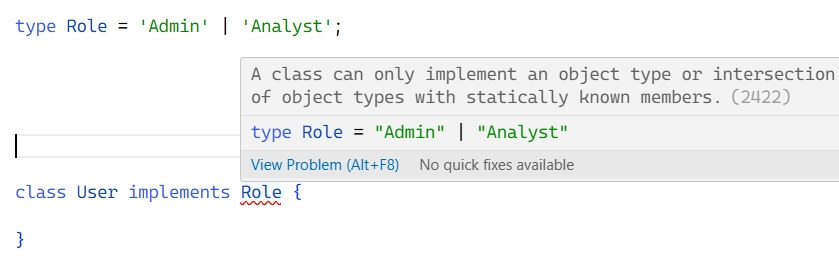
But classes cannot implement union types
Mapped types (only for Type)
type keys = "a" | "b";

type Obj = {
	[k in keys]: number;
}
Interfaces cannot do this stunt. 😆
If you want to read more you can check out this stack overflow – https://stackoverflow.com/a/57833631/5412542